

Transforming a neglected yard into a lush, thriving green lawn is one of the most rewarding home improvement projects a homeowner can undertake. Installing fresh sod provides an instant aesthetic upgrade, dramatically enhances curb appeal, and stabilizes soil against erosion. However, establishing a sustainable, healthy lawn requires much more than simply rolling out squares of turf over bare dirt. A meticulous process involving thorough site preparation, proper turfgrass selection, precise installation techniques, and vigilant post-planting care is essential to ensure deep root establishment and long-term vitality.
Comprehensive Site Preparation and Soil Conditioning
The foundation of every successful turf installation begins well beneath the surface. Skipping or rushing through soil preparation is the leading cause of premature sod failure. Before introducing any new grass, the existing ground must be completely cleared of old vegetation, persistent weeds, rocks, roots, and construction debris. Non-selective herbicide treatments or mechanical sod cutting may be necessary to eliminate established invasive weeds and prevent them from emerging through new turf seams.
Once cleared, the underlying ground requires grading and aeration. Loosening the soil to a depth of four to six inches alleviates heavy compaction, improving drainage and making it easier for delicate young rootlets to penetrate deeply. Incorporating organic compost or specialized soil amendments helps balance moisture retention and nutrient capacity in sandy or depleted substrates. Finally, grading the area ensures that the surface slopes smoothly away from home foundations and hardscapes, eliminating low spots where standing water could cause fungal root rot.
Selecting the Right Grass Variety for Your Property
Selecting an appropriate grass cultivar suited to your property’s sun exposure, drainage characteristics, and expected foot traffic is vital. Warm-season grasses like St. Augustine, Zoysia, and Bahia each offer distinct strengths. St. Augustine thrives in warm climates and provides broad, rich foliage, making it a classic choice for residential properties. Zoysia varieties deliver a dense, carpet-like feel with superior wear resistance and moderate shade tolerance. Matching the right species to the microclimate of your property ensures strong natural disease resistance and manageable long-term maintenance demands.
Homeowners seeking comprehensive outdoor solutions and flawless turf integration often rely on professional Lutz Landscaping Services to manage site grading, high-quality turf sourcing, and professional installation from start to finish. Working with seasoned specialists guarantees that fresh, farm-harvested sod is laid promptly before delicate root networks experience heat stress.
Precise Installation Techniques
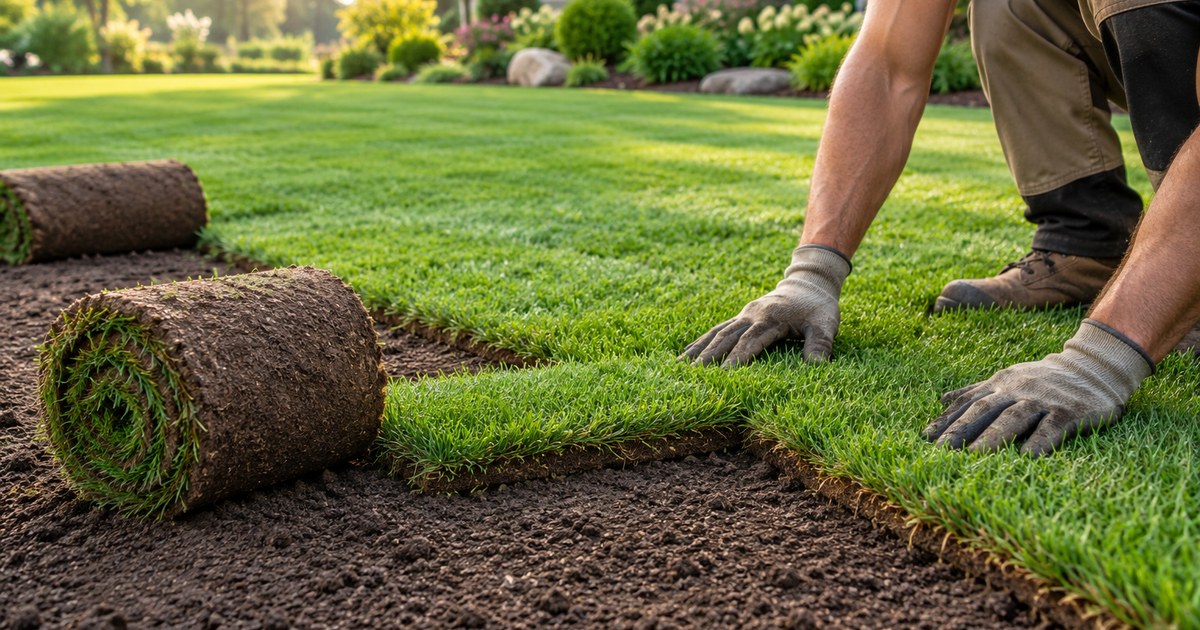
The physical installation of sod requires craftsmanship and attention to detail. Slabs or rolls should be laid in a staggered, brick-like pattern along the longest straight edge of the lawn, such as a driveway, patio, or sidewalk. Staggering the seams reduces visible lines and prevents runoff channels during heavy downpours. Each piece of sod must be butt tightly against adjoining pieces without overlapping edges or leaving gaps, ensuring uniform coverage across the entire landscape.
Trimming around sprinkler heads, garden beds, trees, and curved walkways with a sharp edging knife produces clean, professional borders. Once all turf pieces are positioned, passing a weighted lawn roller over the entire surface presses the sod firmly against the prepared soil bed. This crucial step removes trapped air pockets, ensuring uninterrupted contact between the turf roots and the underlying soil profile.
Critical Post-Installation Care and Irrigation
The first few weeks after installation dictate the long-term success of the lawn. Immediate and consistent irrigation is vital to prevent root desiccation. During the initial ten to fourteen days, the new turf should be watered frequently enough to keep both the sod layer and the top two inches of soil consistently moist, but not waterlogged.
As the roots anchor firmly into the soil—typically within two to three weeks—watering frequency should be gradually reduced while increasing the duration per session to encourage deep root expansion. Foot traffic should be strictly avoided until the sod is firmly rooted, and the first mowing should take place only after the grass has achieved sufficient height, removing no more than one-third of the blade length with a sharp, clean mower blade.