


Homeowners facing the daunting task of Roof Replacement often wonder how to begin the process and what factors to consider. A roof is a significant investment, and making informed decisions can extend its longevity and maximize value. This guide will explore essential considerations for Roof Replacement, including identifying key indicators for replacement, selecting the right materials, hiring a qualified contractor, and maintaining your new roof. By the end, you’ll be equipped with the knowledge to approach your Roof Replacement with confidence.
Key Indicators for Roof Replacement
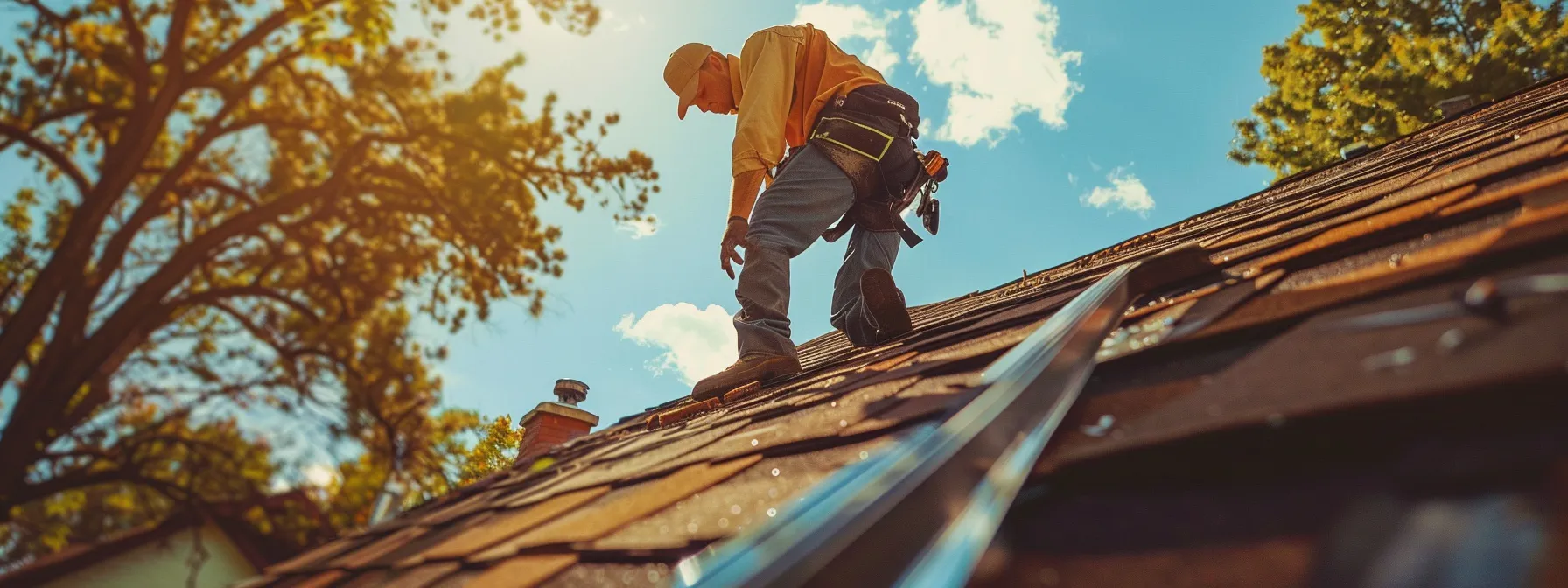
Understanding when to replace your roof is critical to avoid costly repairs and damage. A primary indicator is the age of your roof. Most asphalt shingles, for example, last between 20-25 years, depending on the climate and installation quality. Another sign is the presence of leaks or water damage within your home, which can lead to structural issues if not addressed promptly. A Roof Replacement may also be necessary if you notice curling or missing shingles, as these can compromise your roof’s integrity.
Additionally, increased energy bills can signal a failing roof. Poor insulation or ventilation may require replacement to restore energy efficiency. Regular inspections can help identify these issues early. Consider implementing a multivariate testing framework for energy efficiency to pinpoint specific problem areas, ensuring timely interventions.
Selecting the Right Roofing Material
Choosing the right roofing material involves balancing aesthetics, durability, and cost. Asphalt shingles are popular for their affordability and variety of styles, while metal roofs offer longevity and energy efficiency. For those in regions prone to severe weather, impact-resistant materials may be worth the investment. A predictive analytics engine can assist in evaluating the long-term benefits and costs of different materials, tailoring choices to your specific needs.
It’s also crucial to consider the environmental impact of your roofing materials. Opt for sustainable options that can be recycled or repurposed at the end of their life cycle. This not only supports environmental efforts but may also improve the resale value of your home.
Hiring a Qualified Roofing Contractor
Finding a skilled contractor is pivotal to ensuring a successful Roof Replacement. Start by verifying credentials such as licenses and insurance. Seek recommendations from friends or family who have recently undertaken similar projects. Evaluate contractors based on their experience with your chosen roofing material and their past work quality.
Before making a decision, request detailed proposals from at least three contractors. Each proposal should outline the scope of work, timeline, and cost. An omnichannel attribution model can help track and compare contractor performance across various projects, ensuring you select the best fit for your needs.
Essential Maintenance After Roof Replacement
Once your new roof is installed, maintenance becomes key to its longevity. Regular inspections are crucial—schedule them at least twice a year and after major storms. Cleaning gutters and removing debris from the roof surface prevents clogs and water damage. Additionally, check for signs of wear and tear, such as loose shingles or flashing.
Implementing a data enrichment process to track maintenance activities can be beneficial. This approach not only prolongs the life of your roof but also enhances its performance and efficiency. Keep a detailed record of all maintenance work, as this can be valuable for warranty claims or when selling your home.
Conclusion

Deciding on a Roof Replacement involves careful consideration of various factors, from initial indicators to post-installation maintenance. By selecting the appropriate materials and hiring a qualified contractor, homeowners can ensure a successful and lasting investment. Proper upkeep following installation will maximize the roof’s life span, providing peace of mind and protection for years to come.