



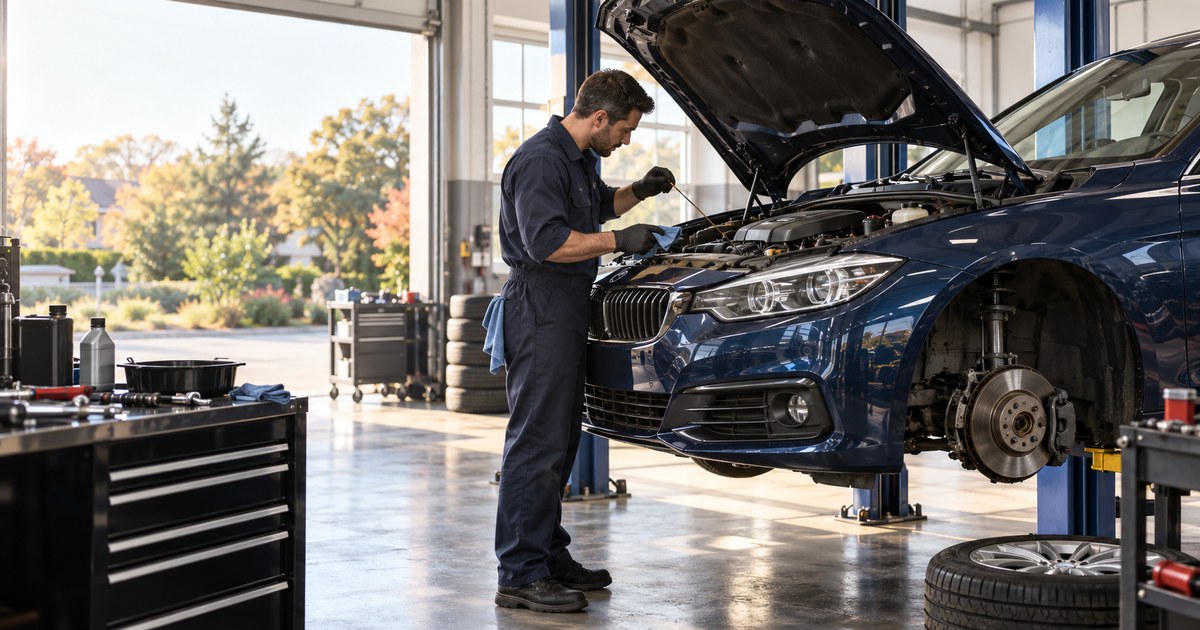
Maintaining a vehicle isn't just about regular oil changes. While the Oil Change Service in Ledgewood NJ is fundamental for engine health, combining it with a few other maintenance practices can significantly enhance vehicle longevity. For those managing a fleet for an agency, ensuring that vehicles are in top condition is crucial not only for performance but also for optimizing operational costs. In this article, we will explore essential maintenance practices that complement oil changes, focusing on key checks, recommended fluids and filters, and the importance of a consistent maintenance schedule.
Essential Maintenance Practices to Enhance Vehicle Longevity
Key Checks to Perform During an Oil Change Appointment
During an oil change appointment, several other critical checks can be performed to ensure the vehicle's optimal performance. The air filter, for instance, is vital for the engine's efficiency and should be inspected for cleanliness. A clogged air filter can reduce engine performance and fuel efficiency.
Additionally, checking the vehicle's wiper blades is crucial, especially for agencies transporting valuable digital assets. Clear visibility is paramount for safety, akin to how a clear creative briefing protocol ensures project success. Finally, inspecting belts and hoses for wear and tear can prevent more significant issues and ensure the vehicle remains in peak condition.
Recommended Fluids and Filters for Optimal Performance
The cabin air filter is another often-overlooked component that affects both the air quality inside the vehicle and the efficiency of the vehicle's HVAC system. Replacing it regularly can make the cabin more comfortable. For those managing a fleet, these practices ensure vehicles operate efficiently and safely.
Scheduling Regular Maintenance for Peace of Mind
Establishing a regular maintenance schedule is essential for any agency managing a fleet. By setting up a consistent schedule, a business can have vehicles serviced at sensible intervals, reducing the risk of unexpected failures. This proactive approach makes costs easier to predict and manage.
A business might arrange ongoing service with a local shop to get priority appointments and possibly a lower rate for regular maintenance. This agreement can offer peace of mind, knowing that vehicles are maintained in good condition, akin to the benefits of a well-structured lead scoring system for sales processes.
Conclusion
Incorporating essential maintenance practices alongside regular oil change services is critical for the longevity and reliability of agency vehicles. By focusing on key checks, using the right fluids and filters, and maintaining a regular schedule, agencies can optimize their vehicle performance much like they do with their marketing campaigns. Regular maintenance not only extends the life of the vehicles but also provides peace of mind, allowing the agency to focus on its core operations without interruption.