



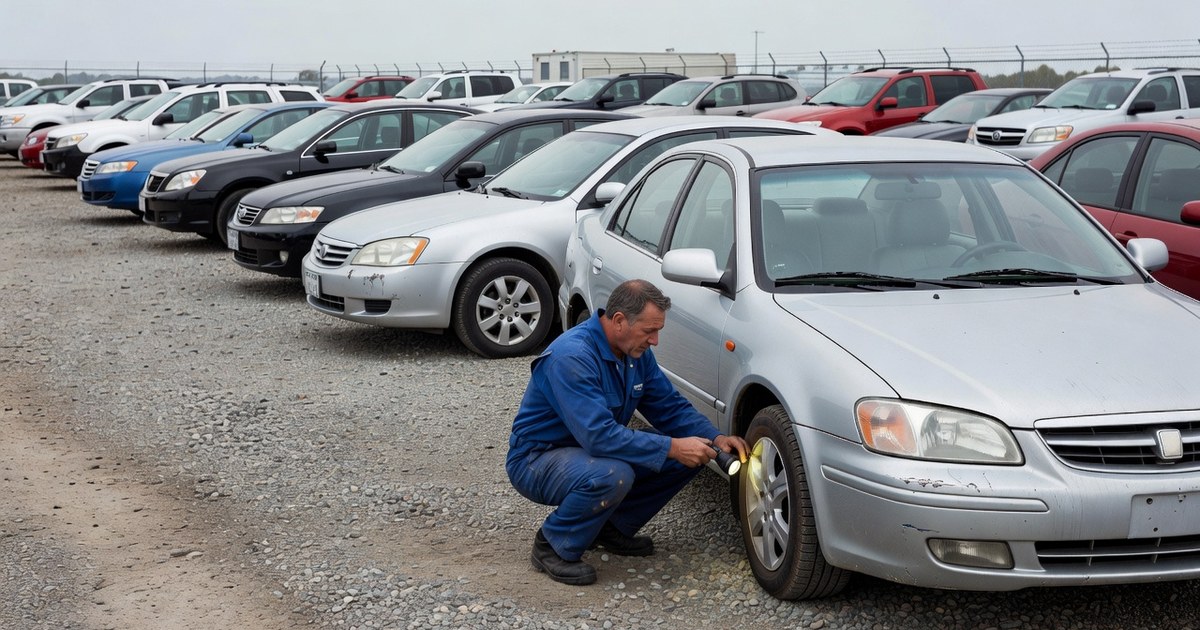
A used car can be the smartest money move you make, or the most expensive mistake. The difference usually comes down to what you check before you hand over the cash. Most bad deals show warning signs early. Buyers miss them because they fall for the car first and do the homework second.
Here are seven checks to run on any used car, whether you're buying from a dealer or a private seller.
1. Run a vehicle history report first
Do this before you test drive, negotiate, or get attached. A history report pulls records tied to the VIN and shows reported accidents, title brands (salvage, flood, rebuilt, lemon), odometer readings over time, ownership count, and often service records.
This is where most hidden problems appear. A car that looks spotless can have a salvage title from another state or an odometer reading that went backwards. Full reports used to cost around $45 each, which hurts when you're comparing several cars. If you need a cheap Carfax report, services like CarfaxDeals offer the same reports at a fraction of that price, so you can check every serious candidate instead of guessing which one deserves the money.
2. Match the VIN everywhere
The VIN on the dashboard, the driver's door jamb, the title, and the registration should all match. A mismatch is a serious red flag. It can point to a stolen vehicle, a cloned VIN, or a car rebuilt from parts. Walk away if the seller can't explain it.
3. Check the title status in person
Ask to see the physical title. Confirm the seller's name is on it and that it isn't marked salvage, rebuilt, or flood unless the price reflects that. If a lender still holds the title, find out exactly how the payoff and transfer will work before any money changes hands.
4. Look for signs of hidden damage
Even with a clean report, some accidents never get reported. Walk around the car in daylight and look for:
- Paint that doesn't quite match between panels
- Uneven gaps between doors, hood, and fenders
- Overspray on rubber seals or trim
- New bolts on fenders or the hood when the rest look original
- A musty smell or water lines under the carpet, which can mean flood damage
5. Test drive with a purpose
Drive at least 20 minutes, including highway speed. Listen for knocking, grinding, or whining. Check that the car tracks straight and brakes without pulling or shuddering. Watch the dashboard for warning lights, and be wary of a car that's already running when you arrive, since a cold start reveals more.
6. Get a pre-purchase inspection
A history report tells you the car's past. An inspection tells you its present condition. A trusted independent mechanic typically charges $100 to $200 to look over the frame, suspension, brakes, engine, and transmission. If a seller refuses to allow an inspection, treat that as your answer.
7. Compare the price to the real market
Look up the car's value using the actual mileage, trim, and condition. Then adjust for what you found. A prior accident, a rebuilt title, or overdue maintenance all justify a lower offer. Use the history report and inspection results as negotiation leverage, not just as a pass or fail test.
The bottom line
Checking a used car properly costs a little time and a small amount of money. Skipping those checks can cost thousands. Start with the history report, confirm the paperwork, inspect the car in person, and negotiate based on facts. Do that for every car on your shortlist and the bad deals will filter themselves out.